

Celebrating African Culture Through Heritage
- Omar Diouf
- Dec 6, 2025
- 4 min read

When I first started exploring African culture, I was struck by its vibrancy, depth, and the stories woven into every fabric, bead, and rhythm. It’s not just about the past; it’s about living traditions that continue to inspire and connect people worldwide. Today, I want to take you on a journey through the heart of African culture celebration, sharing insights, personal reflections, and practical ways to engage with this rich heritage.
The Beauty of African Culture Celebration
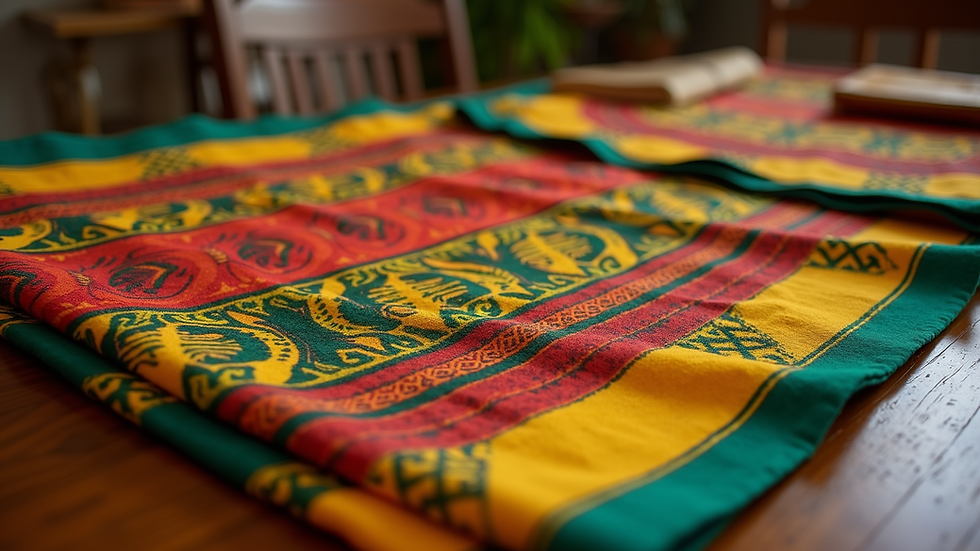
African culture is a mosaic of languages, traditions, and art forms that span an entire continent. Each region offers something unique, from the intricate beadwork of the Maasai in East Africa to the bold textiles of West Africa. What fascinates me most is how these cultural expressions are not static relics but living, breathing parts of daily life.
When we talk about African culture celebration, it’s about more than just festivals or holidays. It’s about recognizing the craftsmanship behind handmade goods, the stories told through dance and music, and the values passed down through generations. For example, the use of kente cloth in Ghana is not just about fashion; it’s a language of symbols and history.
If you want to dive deeper into this world, I highly recommend exploring resources like celebrating african culture, where you can find authentic stories and products that honor these traditions.
How Handmade Goods Tell Stories
One of the most tangible ways to connect with African culture is through handmade goods. These items are not mass-produced; they carry the fingerprints of artisans who have honed their skills over years, sometimes passed down through families. When I hold a handwoven basket or a carved wooden mask, I feel a connection to the person who made it and the culture they represent.
Supporting these artisans is crucial. It empowers communities, especially women, who often rely on their craft to sustain their families. For instance, many women in West Africa create stunning jewelry using recycled materials, blending sustainability with tradition. Buying these products means you’re not just getting a beautiful item—you’re investing in a story and a livelihood.
Here are some practical tips if you want to support authentic African handmade goods:
Research the origin: Look for products that clearly state where and how they were made.
Buy directly from artisans or trusted platforms: This ensures fair compensation.
Learn about the symbolism: Many items have meanings that add depth to your purchase.
Share the stories: When you gift or display these items, tell their story to keep the culture alive.

The Role of Music and Dance in African Heritage
Music and dance are the heartbeat of African culture. They are not just entertainment but vital forms of communication and community bonding. I remember attending a local African festival where the drumbeats seemed to sync with my heartbeat. It was impossible not to move, not to feel connected to something larger than myself.
Each ethnic group has its own rhythms and dances, often tied to ceremonies like weddings, harvests, or rites of passage. For example, the djembe drum from West Africa is known worldwide for its powerful sound and ability to bring people together. Learning about these instruments and dances offers a window into the values and history of different communities.
If you’re curious about incorporating African music and dance into your life, consider:
Attending cultural festivals or workshops: Many cities host events where you can learn traditional dances.
Listening to African artists: Explore genres like Afrobeat, Highlife, or traditional folk music.
Trying your hand at drumming: Even beginners can find joy in the rhythms.
Preserving Language and Oral Traditions
Language is a cornerstone of culture, and Africa’s linguistic diversity is staggering. With over 2,000 languages spoken across the continent, each one carries unique expressions, proverbs, and stories. Oral traditions, in particular, have been essential in preserving history and teaching moral lessons.
I once had the chance to listen to a griot, a West African storyteller and historian, who recited epic tales passed down for centuries. It was mesmerizing—like hearing history come alive. These stories are more than entertainment; they are lessons in identity and resilience.
To engage with African oral traditions, you might:
Read translated folktales and proverbs: Many collections are available online or in libraries.
Watch documentaries or listen to podcasts: These often feature storytellers and cultural experts.
Support language preservation projects: Some organizations work to document and teach endangered African languages.
Bringing African Culture Into Your Home
Celebrating African culture doesn’t have to be limited to special occasions. You can bring elements of this rich heritage into your daily life in meaningful ways. Whether it’s decorating your space with handmade crafts, cooking traditional dishes, or wearing African-inspired fashion, these small acts create a continuous connection.
Here are some ideas to get started:
Decorate with authentic art: Choose pieces that resonate with you and have a story behind them.
Cook African recipes: Try dishes like jollof rice, injera, or tagine to experience the flavors.
Wear handmade accessories: Scarves, jewelry, and bags made by African artisans add style and meaning.
Learn a few words in an African language: Greetings or proverbs can be a fun way to connect.
By incorporating these elements, you honor the culture and support the artisans who keep these traditions alive.
A Personal Invitation to Explore
I hope this journey through African culture celebration has inspired you to explore more deeply. There’s so much to discover, and every step you take supports a vibrant community of creators and storytellers. Remember, it’s not just about admiring from afar but engaging with respect and curiosity.
If you want to start your own adventure, check out celebrating african culture for authentic products and stories that bring the continent’s heritage to your doorstep. Trust me, once you start, you’ll find yourself coming back for more - because African culture is a celebration that never ends.
Happy exploring!


Comments