

The Fusion of African Fabrics and Middle Eastern Fashion in Dubai
- Omar Diouf
- Mar 15
- 4 min read

When I went to Dubai to get the best most luxurious products, I discovered a fascinating blend of cultures expressed through fashion. Dubai, a city known for its luxury and diversity, has become a vibrant hub where African fabrics meet Middle Eastern styles. This fusion creates unique garments that honor tradition while embracing modernity. My journey into this world revealed how African wax prints, kente cloth, and mud cloth are woven into the fabric of Dubai’s fashion scene, especially through adaptations of the iconic abaya and the shared use of incense and fragrance.

African Fabrics in Dubai’s Fashion Scene
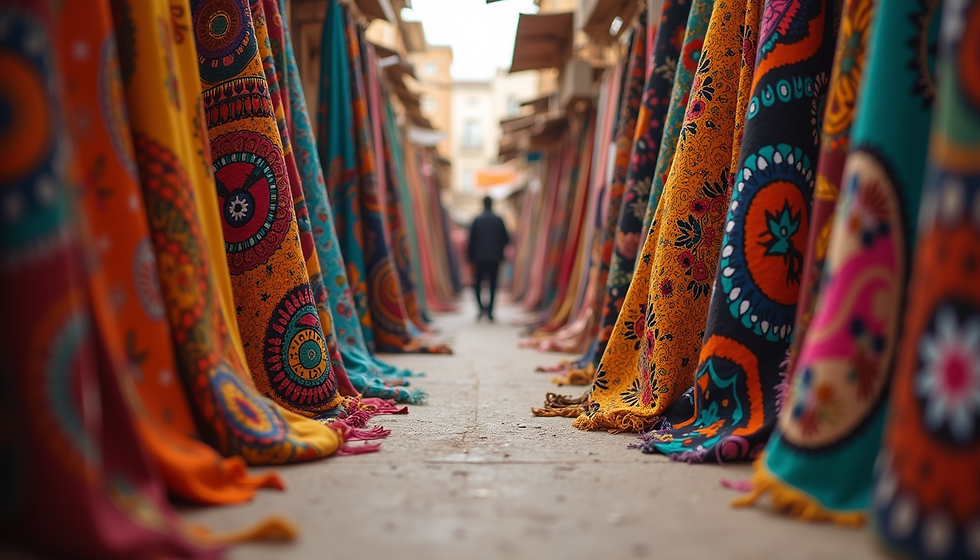
African fabrics have a rich history and cultural significance. In Dubai, these textiles are not just imported curiosities; they are actively embraced and transformed. Wax prints, kente cloth, and mud cloth are among the most popular fabrics used by African communities living in the city. These fabrics are known for their bold colors, intricate patterns, and symbolic meanings.
Wax Prints: These are vibrant, colorful fabrics made using a wax-resist dyeing technique. They often feature geometric and floral patterns. In Dubai, designers use wax prints to create modern clothing that blends African aesthetics with Middle Eastern tailoring. For example, a wax print dress might have the flowing silhouette of a traditional abaya but with bright, eye-catching patterns.
Kente Cloth: Originating from Ghana, kente cloth is woven with silk and cotton in bright, multicolored patterns. It symbolizes history, philosophy, and ethics. In Dubai, kente cloth is sometimes incorporated into accessories or used as accents on garments, adding a touch of African heritage to Middle Eastern fashion staples.
Mud Cloth: This fabric from Mali is hand-dyed with fermented mud, creating earthy tones and abstract patterns. Mud cloth is gaining popularity in Dubai for its natural look and cultural depth. It is often used in casual wear or as decorative elements on more formal attire.
This blending of fabrics allows designers and wearers to express a dual identity, celebrating African roots while fitting into the cosmopolitan lifestyle of Dubai.
Abayas with African Touches
The abaya is a traditional Middle Eastern garment, usually a long, flowing black robe worn by women. It represents modesty and cultural identity. What fascinated me during my trip was how some designers in Dubai have adapted the abaya to include African-inspired patterns and embroidery.
These abayas maintain their classic shape and modesty but feature:
African Patterns: Incorporating wax print panels or kente cloth trims along the sleeves or hems.
Embroidery: Using traditional African motifs stitched in gold or colorful threads.
Color Variations: Moving beyond the typical black, some abayas now come in deep blues, greens, or even vibrant prints inspired by African textiles.
This fusion respects the abaya’s cultural significance while celebrating African artistry. It creates garments that feel both familiar and fresh, appealing to women who want to honor multiple heritages in their clothing.

Shared Traditions in Incense and Fragrance
Beyond clothing, I noticed another cultural connection between African and Middle Eastern traditions: the use of incense and fragrance. Both cultures have long histories of using aromatic substances in daily life, religious ceremonies, and social gatherings.
In Dubai, African incense blends are sold alongside traditional Arabic oud and bakhoor. These scents create unique atmospheres that reflect the cultural mix of the city. For example:
African Incense: Often made from natural resins, herbs, and spices native to Africa, these blends carry earthy, woody, and sometimes floral notes.
Arabic Oud and Bakhoor: Oud is a precious resin with a deep, smoky aroma, while bakhoor consists of wood chips soaked in fragrant oils.
The combination of these scents in Dubai’s markets and homes symbolizes a shared appreciation for fragrance as a form of cultural expression. It also shows how African and Middle Eastern traditions can coexist and enrich each other.

Personal Reflections on the Fusion
When I went to Dubai to get the best most luxurious products, I was not expecting to find such a rich cultural exchange in fashion and fragrance. The fusion of African fabrics with Middle Eastern styles is more than a trend; it is a reflection of the city’s diverse population and openness to cultural dialogue.
This blending offers practical benefits too:
Versatility: African fabrics add color and texture to traditional Middle Eastern garments, making them suitable for both formal and casual occasions.
Cultural Pride: Wearing these fused designs allows individuals to celebrate their heritage proudly.
Innovation: Designers are pushing boundaries by mixing techniques and materials from different cultures.
For anyone interested in fashion that tells a story, Dubai’s fusion of African and Middle Eastern styles offers a compelling example.
How to Incorporate African Fabrics into Your Wardrobe
If you want to explore this fusion yourself, here are some tips based on what I learned:
Start with accessories like scarves or bags made from African fabrics to add a pop of color.
Look for abayas or kaftans that feature African prints or embroidery.
Mix and match: pair a wax print skirt with a simple Middle Eastern-style blouse.
Explore local markets in Dubai or online shops specializing in African-Middle Eastern fusion fashion.
Experiment with fragrances by combining African incense with traditional Arabic scents.
This approach lets you enjoy the best of both worlds while creating a unique personal style.
Final Thoughts on Cultural Fusion in Fashion
The fusion of African fabrics and Middle Eastern fashion in Dubai is a vivid example of how cultures can come together to create something new and meaningful. When I went to Dubai to get the best most luxurious products, I found more than luxury—I found stories woven into fabric and scents that connect continents.
This blend respects tradition while encouraging creativity. It invites us to see fashion not just as clothing but as a way to express identity, history, and connection. Whether you live in Dubai or anywhere else, embracing such cultural fusions can enrich your wardrobe and your understanding of the world.


Comments